
Short answer: a multivendor ecommerce website is an online marketplace where many sellers list and sell their products, and you earn a commission on each sale, like a smaller, focused Daraz. To build one in Pakistan, pick a platform (WooCommerce with a plugin such as Dokan, Shopify with a marketplace app, or a custom build), set your commission and payout rules, plan how COD cash reaches each vendor, and launch with a small group of good sellers in one niche.
We build marketplaces as part of our ecommerce website development work, and most of the hard questions aren’t technical. They’re about money, couriers and trust between you, your vendors and your buyers. This guide covers both sides.
Chapter 01
What Is a Multivendor Ecommerce Website?
A normal online store sells one business’s products. A multivendor ecommerce website (also called a marketplace website or multi vendor website) lets many independent sellers open their own shop inside your website. Each vendor adds products, receives orders and gets paid, while you run the platform, bring the buyers and take a commission.
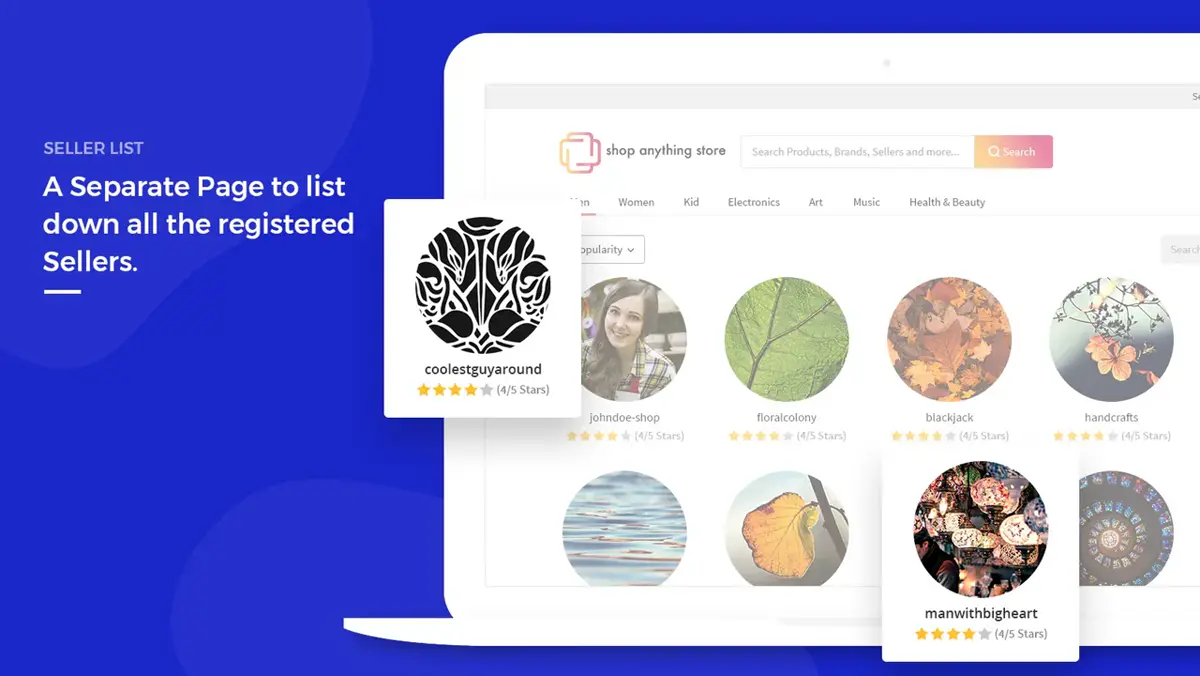
Daraz is the best-known example in Pakistan. Smaller marketplaces usually work best when they focus on one niche: handmade products, wedding services, auto parts, books, local groceries in one city, or B2B wholesale. A niche gives buyers a reason to come to you instead of a general marketplace.
| Single-vendor store | Multivendor marketplace | |
|---|---|---|
| Who sells | You | Many vendors |
| Stock | You buy and hold it | Vendors hold their own |
| Your income | Profit on each product | Commission and fees |
| Hardest part | Getting buyers | Getting buyers and good vendors |
Chapter 02
Is a Marketplace the Right Business for You?
A marketplace solves a stock problem (you don’t buy inventory) but creates a new one: you need sellers and buyers at the same time. Before you build, be honest about these:
- Can you sign up 20–30 good vendors before launch? An empty marketplace doesn’t sell.
- Can you bring buyers? Through ads, social media, SEO or an existing audience. Vendors leave if they get no orders.
- Will you handle disputes? Late deliveries, wrong items and refunds land on you, not just the vendor.
- Is your commission enough to pay for marketing, payment fees and support?
If you already have a strong single brand, a normal store is usually simpler and more profitable. A marketplace makes sense when your advantage is the audience or the niche, not the product.
Chapter 03
How the Money Flows: Commissions, COD and Vendor Payouts
This is the part most marketplace plans skip. On every order, the marketplace software splits the total into the vendor’s earning, your commission, the payment gateway fee and shipping.
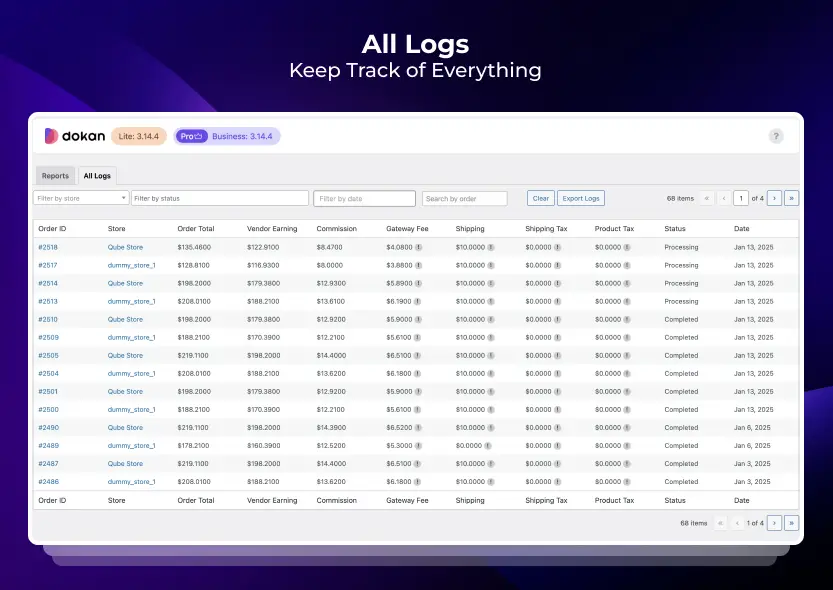
Common commission models:
- Percentage per sale, for example 10% of each order. Simple, and it grows with the vendor.
- Fixed fee per sale, useful for low-priced items.
- Monthly subscription for vendors, with lower or no commission.
- A mix, such as a small monthly fee plus a lower percentage.
Cash on delivery makes payouts harder in Pakistan. When a buyer pays cash, the courier collects it and pays it to you, not the vendor. You then pay each vendor their share, minus commission, after the return window has passed. That means you need clear rules, written in the vendor agreement:
- When an order counts as complete (delivered, plus how many days for returns).
- How often you pay vendors (weekly or every two weeks) and how (bank transfer or wallet).
- Who pays for a returned parcel’s courier charges.
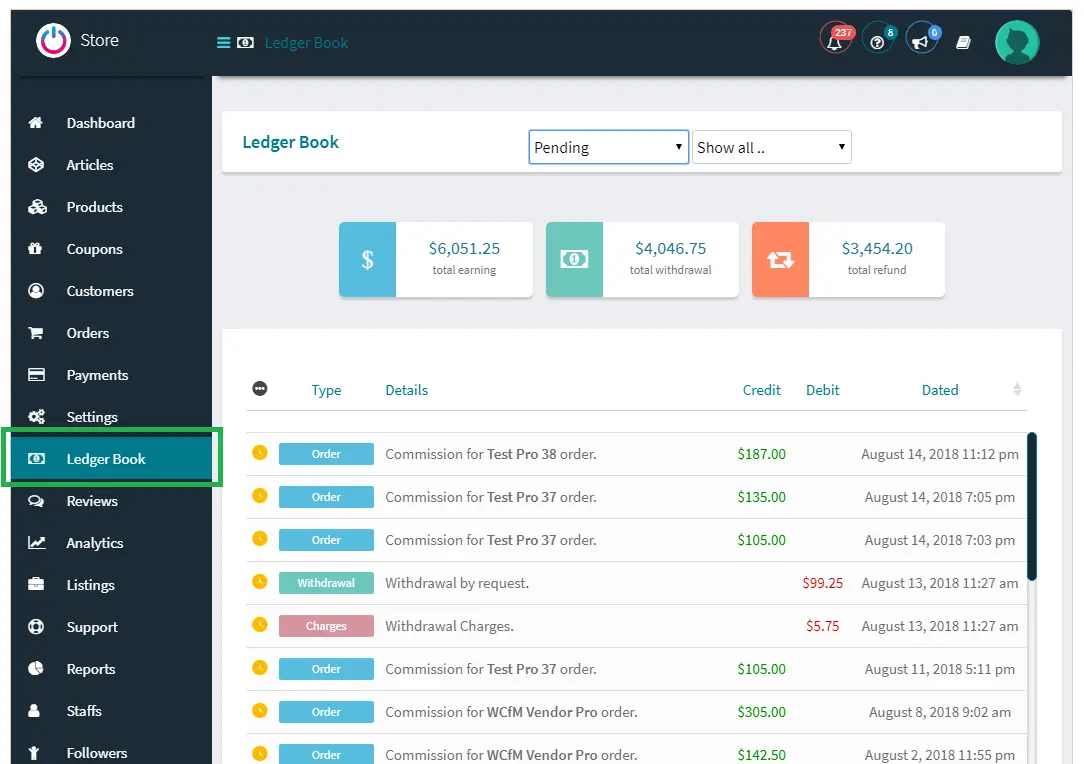
For online payments, the same rules apply: the gateway settles into your account and you pay vendors. Our payment gateway in Pakistan guide covers which gateways to use.
Chapter 04
Shipping: Who Sends the Parcel?
There are two ways to handle delivery on a multivendor ecommerce website:
- Vendors ship directly. Each vendor books the courier from their own location. This is the easiest to start, but delivery quality depends on every vendor, and a buyer who orders from three vendors gets three parcels and may pay three delivery charges.
- Central fulfilment. Vendors send stock or orders to your warehouse, and you pack and ship. Better control and one parcel per order, but you need space and staff.
Most new Pakistani marketplaces start with vendors shipping directly through one courier account that you manage, so tracking and COD collection stay in one place. Our guide to the best courier service in Pakistan explains how to compare couriers on COD payouts and returns.
Chapter 05
Platform Options: WooCommerce, Shopify or Custom
| Option | How it works | Best for |
|---|---|---|
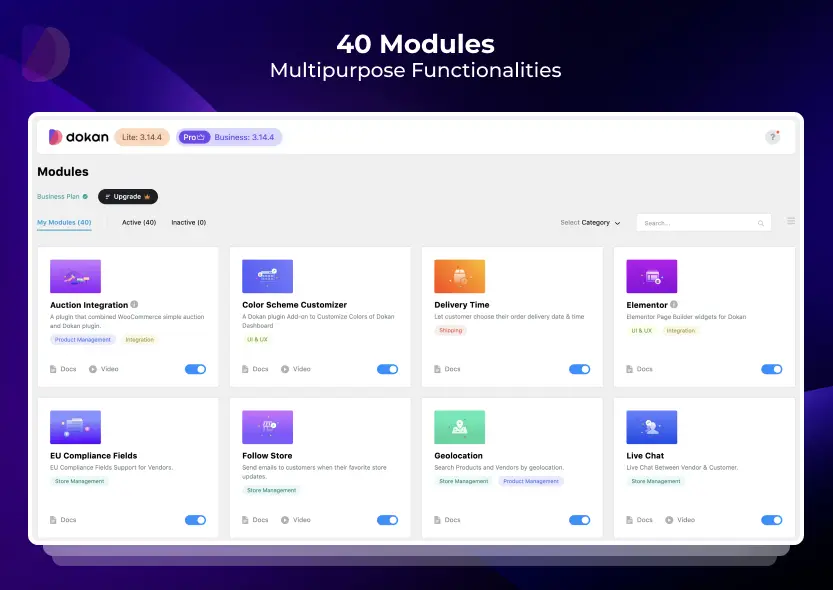
| WooCommerce + Dokan | Dokan is a WordPress marketplace plugin with 30,000+ active installs; free version plus a paid Pro version | Most new marketplaces: flexible, owned by you, no monthly platform fee |
| WooCommerce + WCFM Marketplace | Another free marketplace plugin (10,000+ installs) with vendor dashboards and a ledger | Similar to Dokan; choose on features you need |
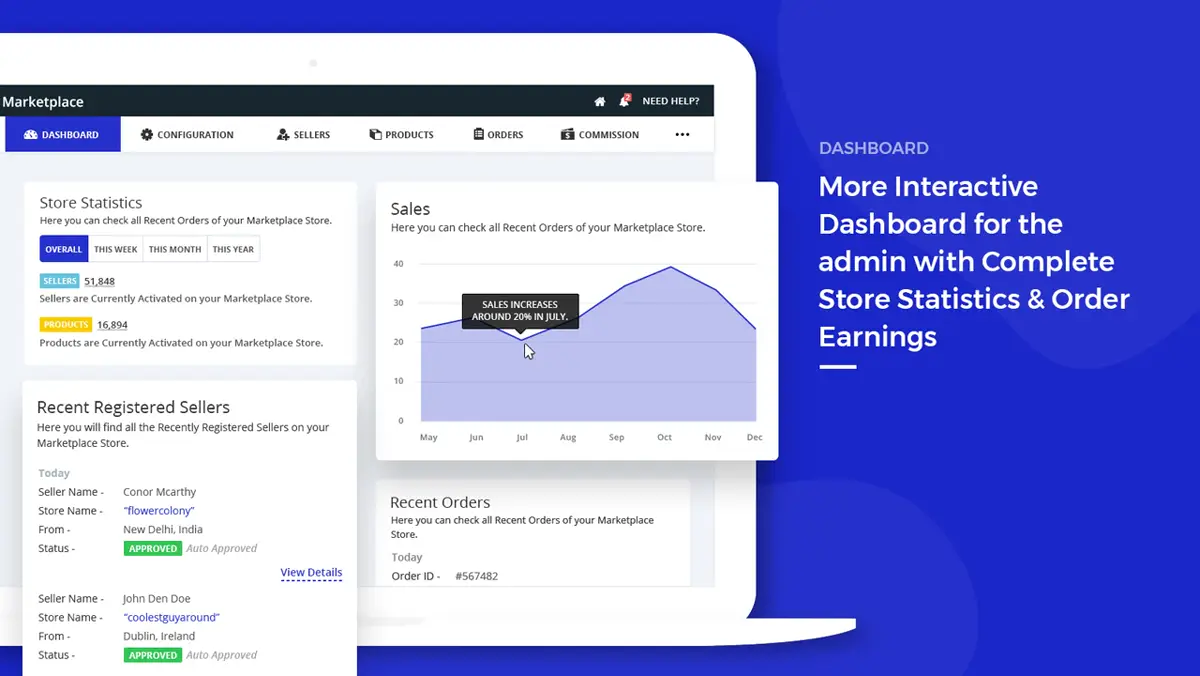
| Shopify + a marketplace app | An app such as Webkul Multi Vendor Marketplace (from US$15/month) adds vendors to a Shopify store | Brands already on Shopify adding a few vendors |
| Custom build | Built from scratch for your exact workflow | Large or unusual marketplaces (services, rentals, B2B) once the idea is proven |
For most projects we recommend WooCommerce with Dokan or WCFM Marketplace: you own the code and data, there’s no Shopify transaction fee on vendor sales, and you can customise payouts and COD rules. If you’re already happy on Shopify, a marketplace app such as the Webkul Multi Vendor Marketplace app works, within Shopify’s limits. Our WooCommerce vs Shopify comparison goes deeper into that choice.
Chapter 06
Features Every Marketplace Website Needs
Whatever platform you choose, check it covers these before you launch:
- Vendor registration and approval, with the documents you require (CNIC, bank account, business name).
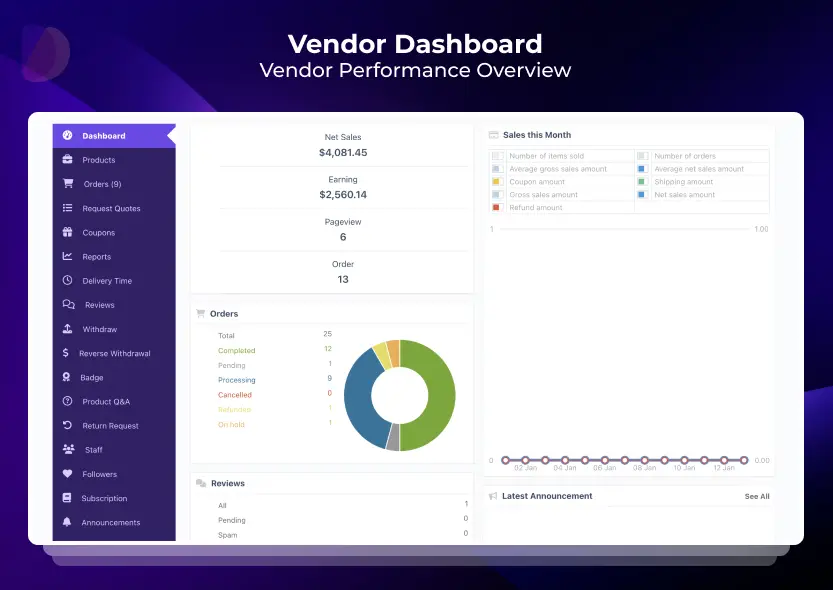
- A vendor dashboard where each seller sees orders, earnings and reviews.
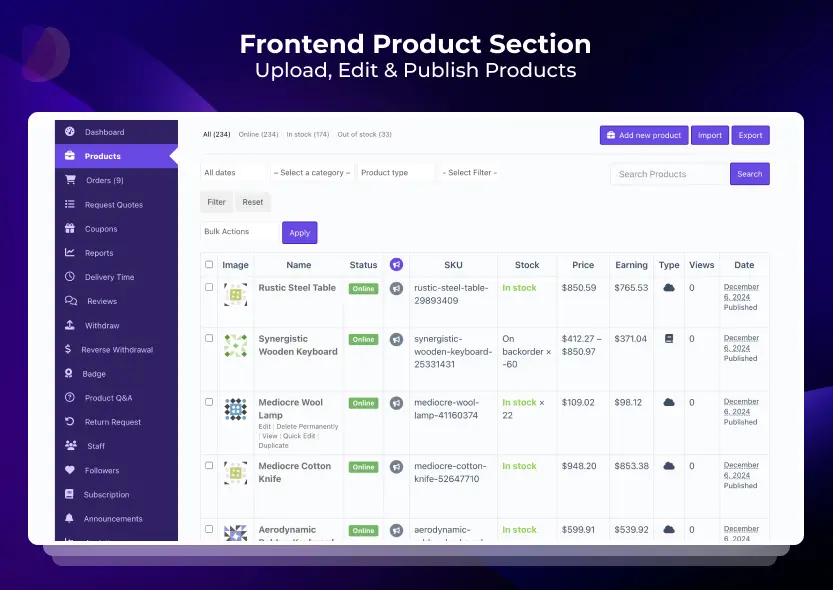
- Product approval, so nothing goes live until you’ve checked it.
- Commission rules per vendor or per category.
- Payout reports and withdrawal requests.
- Per-vendor shipping settings, or one shipping rule for central fulfilment.
- Reviews and ratings for vendors and products.
- Refund and return requests with a clear process.
- Mobile-friendly vendor pages, because many Pakistani sellers manage their shop from a phone.
Chapter 07
How to Build a Marketplace Website, Step by Step
If you’re wondering how to build a marketplace website without wasting months, this is the order we follow on every multivendor ecommerce website project:
- Pick the niche and the first vendors. Sign agreements with 20–30 sellers before launch.
- Write the rules: commission, payout schedule, return policy, shipping responsibility and what vendors can sell.
- Choose the platform (WooCommerce + Dokan or WCFM, Shopify + app, or custom).
- Design the buyer side: home page, categories, search and filters, vendor shop pages.
- Set up payments: COD, a payment gateway and the payout process.
- Set up shipping: courier accounts, booking and tracking for every vendor order.
- Onboard vendors on a staging site, train them, and have them add real products.
- Launch, then test orders end to end from each vendor, including a return and a payout.
Steps 1 and 2 take longer than any of the technical work, and they decide whether the marketplace survives its first six months.
Chapter 08
Running It: Vendor Quality Is Your Brand
Buyers don’t remember which vendor sent a late or wrong parcel; they remember your website. So track every vendor on the same few numbers large marketplaces use: cancellations, shipping on time, returns and response time to buyer messages.
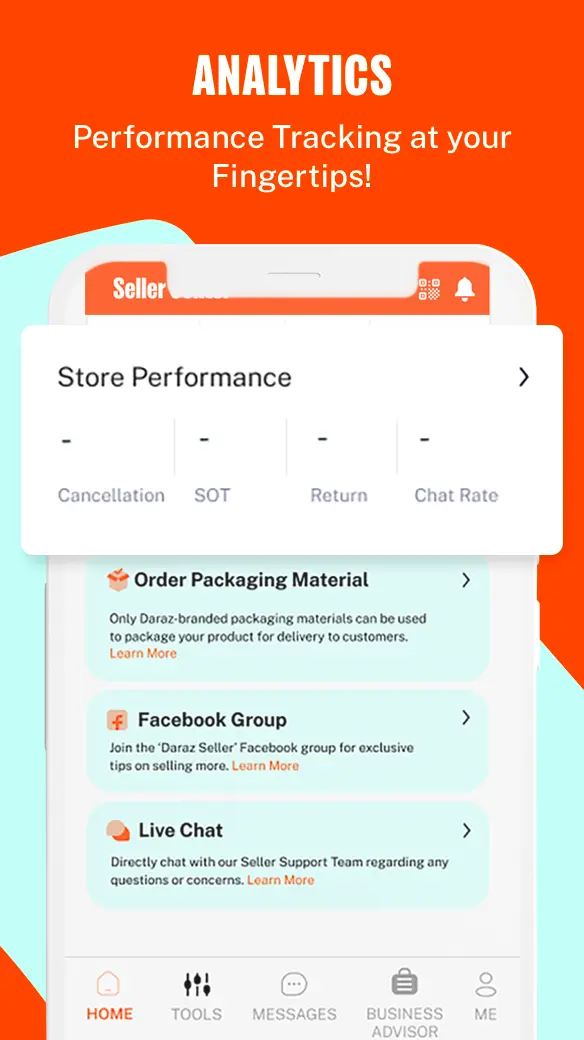
Set minimum standards in the vendor agreement and act on them: warnings, lower visibility in search, then removal. A smaller marketplace with reliable vendors grows faster than a big one full of unhappy buyers.
Chapter 09
Your Vendor Agreement: What to Put in Writing
A multi vendor website runs on trust, and trust needs a written agreement every vendor accepts when they register. Keep it short and clear. It should cover:
- Commission and fees: the percentage or fixed fee, any monthly subscription, and when the rates can change.
- Payouts: how often you pay, by which method, and after how many days from delivery.
- Returns and refunds: who decides, who pays the return courier charges, and how long the vendor has to respond.
- Shipping time: how fast vendors must hand parcels to the courier after an order.
- What can be sold: banned products, counterfeit goods and the photo and description standards you expect.
- Performance rules: the cancellation and return rates that lead to warnings or removal.
Most marketplace plugins, including Dokan multivendor and WCFM, let vendors tick a terms checkbox during sign-up and keep a record of it. Have the agreement checked by a lawyer if your marketplace will handle large amounts. It costs far less than a dispute with a vendor over a month of COD payouts.
Finally, plan how you’ll support vendors: a WhatsApp group or help page for common questions, a short video on adding products, and a named person for payout queries. Vendors who feel supported stay longer and sell more, and that’s what makes a marketplace website grow.
Chapter 10
Multivendor Ecommerce Website Costs and Timeline
The cost of a multivendor ecommerce website depends mainly on how much has to be custom:
| Part | What drives the cost |
|---|---|
| Platform and plugins | Free plugin versions, or paid Pro versions and apps with yearly or monthly fees |
| Hosting | Marketplaces need stronger hosting than a single store, because every vendor adds products and traffic |
| Design | A ready theme, or a custom design for the buyer and vendor sides |
| Custom features | COD payout rules, vendor KYC, central fulfilment, apps, B2B pricing |
| Running costs | Payment gateway fees, courier charges, marketing and support staff |
A plugin-based marketplace with a ready theme can launch in four to eight weeks once the rules and first vendors are ready. Custom marketplaces take longer. Every portal is quoted on its own requirements after a free scoping call, so there is no fixed starting price.
Chapter 11
Common Mistakes with a Multivendor Ecommerce Website
- Launching with no vendors and hoping they’ll come.
- No written payout rules, so every COD payout becomes an argument.
- Letting every product go live without approval, so the catalogue fills with poor photos and wrong prices.
- Copying Daraz’s features instead of solving one niche well.
- Cheap hosting, so the site slows down as vendors add hundreds of products.
- Building fully custom before the idea is proven. Start on a plugin, then customise what your users actually need.
Chapter 12
How We Build Marketplaces
Website Services Pakistan (WSP) has built 450+ websites since 2014 from Tariq Road, Karachi, including stores and custom portals. For a marketplace we start with a scoping call about your niche, vendors, commission and COD rules, then recommend a platform and give you a written quote. We set up vendor registration, payouts, COD, the payment gateway and courier booking, and test a full order and payout cycle on staging before launch.
There’s no advance payment: you pay once the website is finished. See our ecommerce website development and custom web development services.
FAQ
FAQ
What is a multivendor ecommerce website?
An online marketplace where many independent sellers list and sell their products on one website, and the owner earns a commission or fee on each sale. Daraz is a well-known example in Pakistan.
How do I build a marketplace website in Pakistan?
Choose a niche and sign your first vendors, write commission, payout and return rules, pick a platform (WooCommerce with Dokan or WCFM, Shopify with a marketplace app, or custom), set up COD, a payment gateway and couriers, onboard vendors on staging, then launch and test full orders and payouts.
Is Dokan multivendor free?
Dokan has a free version on WordPress.org and a paid Pro version with more modules. Many marketplaces start on the free version and upgrade when they need features such as advanced commissions or delivery management.
How do vendors get paid when customers pay cash on delivery?
The courier collects the cash and pays the marketplace owner, who then pays each vendor their share minus commission, usually weekly or every two weeks after the return window. These rules should be in the vendor agreement.
Can I build a multi vendor website on Shopify?
Yes, with a marketplace app such as Webkul Multi Vendor Marketplace. It works well for brands already on Shopify, but WooCommerce gives more control over payouts and COD rules and has no platform transaction fees.
How long does it take to build a marketplace website?
A plugin-based marketplace with a ready theme can launch in four to eight weeks once the rules and first vendors are ready. Custom marketplaces take longer.