
Short answer: the best payment gateway in Pakistan for most online stores is a local aggregator such as PayFast or Safepay, which lets customers pay by debit card, credit card and mobile wallet through one merchant account. Add cash on delivery alongside it, because most Pakistani shoppers still pay that way. Stripe, PayPal and Shopify Payments don’t accept Pakistan-based merchants, so they aren’t options for a store registered here.
We set up payments on every ecommerce website we build, on Shopify and WooCommerce. This guide compares the seven routes we see Pakistani businesses use, what each costs, which documents you need, and how to choose.
Chapter 01
What a Payment Gateway Does, in 30 Seconds
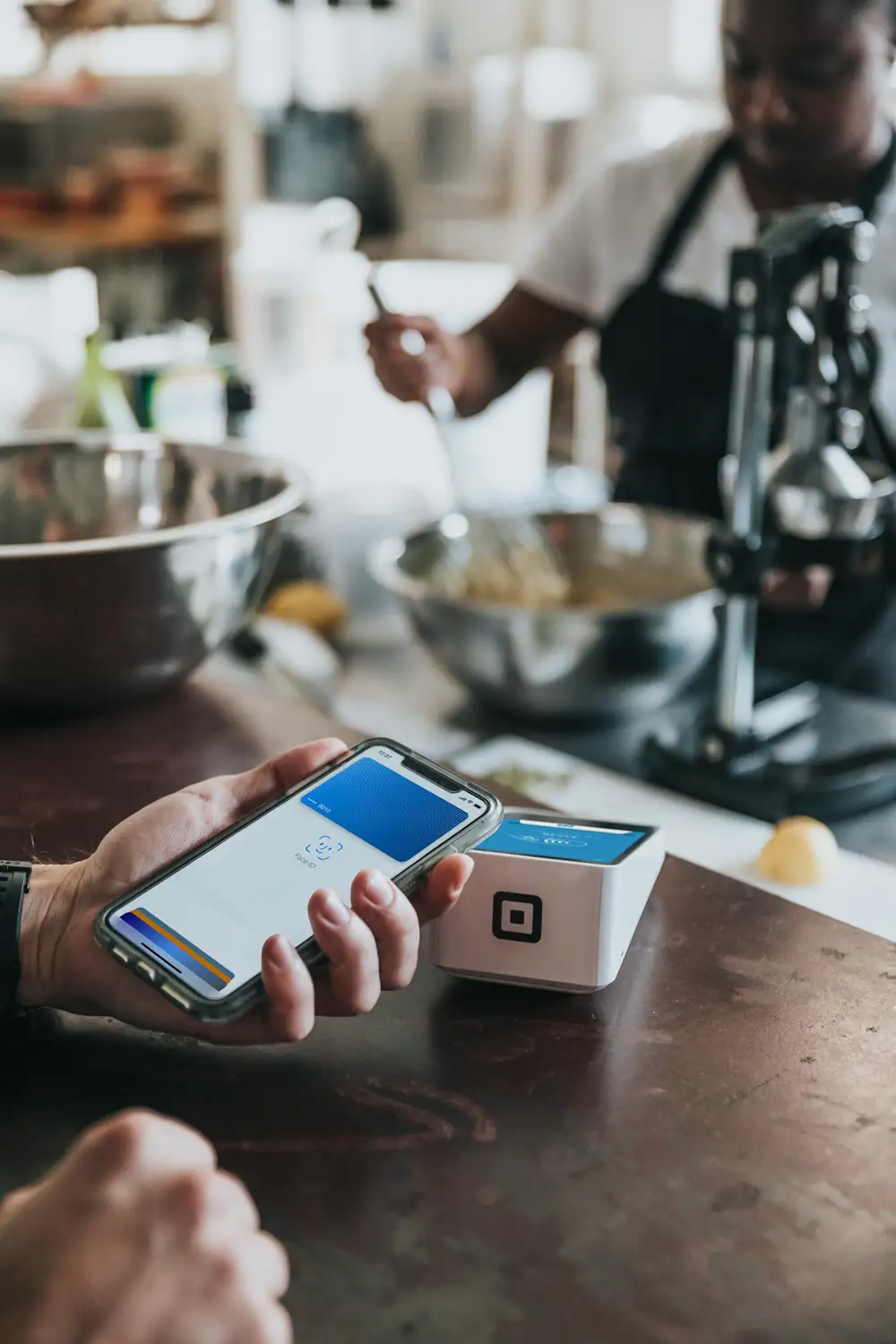
A payment gateway is the service that sits between your checkout and the banks. When a customer pays, the gateway encrypts the card or wallet details, sends the request to the customer’s bank or wallet for approval (usually with an OTP), tells your store whether the payment succeeded, and later settles the money into your bank account minus its fee.

Three terms come up in every conversation with a provider:
| Term | What it means for you |
|---|---|
| Merchant account | Your approved account with the provider. You can’t take live payments until it’s approved. |
| MDR (merchant discount rate) | The percentage the provider keeps from each payment. This is your main cost. |
| Settlement | How many days until the money reaches your bank account (for example T+1 or T+2 working days). |
Chapter 02
Why Stripe, PayPal and Shopify Payments Don’t Work for Pakistani Stores
Most international guides recommend Stripe or PayPal. Neither works for a business based in Pakistan:
- Stripe: Pakistan is not on Stripe’s list of supported countries, so you can’t open an account as a Pakistani business.
- PayPal: not available for Pakistan-based merchants to receive payments.
- Shopify Payments: not offered to stores registered in Pakistan (see Shopify Payments supported countries).
That is why every Pakistani store needs a local payment gateway. If you sell abroad, read the section on international payments below; there are workable routes, but they need planning.
Chapter 03
Best Payment Gateway in Pakistan: 7 Options Compared

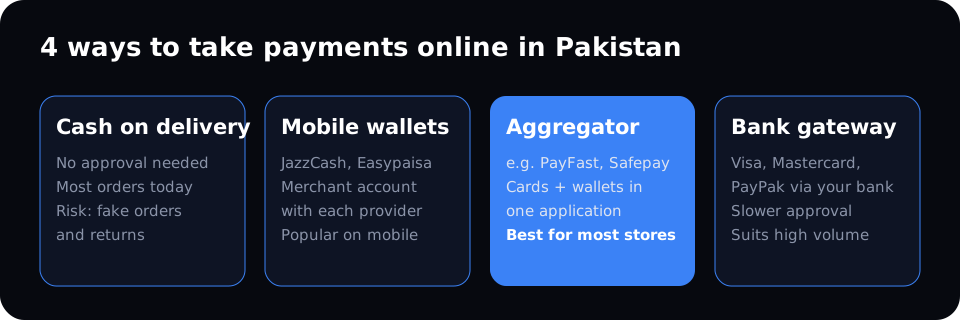
| Option | Customers pay with | Approval | Best for |
|---|---|---|---|
| 1. PayFast | Cards, bank accounts, wallets (merchant opts in) | Business documents + review | Shopify and WooCommerce stores wanting one checkout |
| 2. Safepay | Cards, JazzCash, Easypaisa, Raast | Business documents + review | Stores wanting cards and wallets with a modern checkout |
| 3. JazzCash merchant account | JazzCash wallet (and cards on some setups) | Directly with JazzCash | Brands whose buyers mainly use JazzCash |
| 4. Easypaisa merchant account | Easypaisa wallet | Directly with Easypaisa | Brands whose buyers mainly use Easypaisa |
| 5. Bank merchant gateway | Visa, Mastercard, PayPak | Through your bank; often slower | Established, high-volume businesses |
| 6. Raast | Bank transfer via QR, alias or IBAN | Through a bank or provider | Low-cost instant payments |
| 7. Newer aggregators | Varies by provider | Varies | Worth comparing on fees and settlement |
There is no single best payment gateway in Pakistan for every business. The right one depends on how your customers prefer to pay, which platform your store runs on, and which provider approves your business. The sections below explain each option.
1. PayFast Payment Gateway
PayFast is a Pakistani payment aggregator (not to be confused with the South African company of the same name). It offers card, bank account and wallet acceptance through one integration, and there is a PayFast Gateway app on the Shopify App Store, so Shopify stores can connect it without custom code. WooCommerce stores connect through a plugin or the provider’s API. Transaction fees are set per merchant, so ask for a written rate card before you sign.
2. Safepay
Safepay is a Pakistani payment provider backed by Y Combinator and Stripe. Its website lists Visa, Mastercard, PayPak, JazzCash, Easypaisa and Raast, with Shopify checkout options and a WooCommerce plugin. For many new stores that’s the simplest way to offer cards and wallets together. As with any provider, confirm current rates, settlement times and which methods your account will get.
3. JazzCash Payment Gateway
JazzCash is one of the two biggest mobile wallets in Pakistan. A JazzCash payment gateway lets customers pay from their wallet on your checkout, usually by entering their mobile number and approving the payment. You apply for a JazzCash merchant account directly, and the integration documents and test credentials are shared during onboarding. Official plugins aren’t always available for every platform, so the integration is often built by a developer against JazzCash’s API.
4. Easypaisa Payment Gateway
Easypaisa is the other major wallet. An Easypaisa payment gateway works the same way: a merchant account with Easypaisa, then an integration on your checkout. If most of your buyers are on Easypaisa, a direct account can make sense. For most stores, though, an aggregator that already includes JazzCash and Easypaisa saves you two separate applications and two integrations to maintain.
5. Bank Merchant Gateways
Major banks offer their own card gateways for Visa, Mastercard and PayPak (Pakistan’s domestic card scheme). You apply through your business bank. Approval tends to be slower and the requirements stricter than with aggregators, but large merchants can sometimes negotiate better rates. This route suits established businesses with steady volume rather than a new store.
6. Raast
Raast is the State Bank of Pakistan’s instant payment system. Its person-to-merchant service lets customers pay a business by QR code, Raast ID, IBAN or a “request to pay” from their banking app, and SBP has told banks not to charge the paying customer (see State Bank of Pakistan: Raast P2M). Some providers, including Safepay, now offer Raast at checkout. It’s worth asking any provider you speak to whether they support it.
7. Newer Aggregators
The market is moving quickly, and newer providers keep launching with lower fees, faster settlement or easier onboarding. They can be good options, but before you build your checkout around one, check that it holds the right State Bank of Pakistan licence, that it has a working Shopify app or WooCommerce plugin, and that other merchants are using it successfully.
Chapter 04
Payment Gateway Fees in Pakistan: What You’ll Really Pay

Your main cost is the MDR, a percentage of every successful payment. Published rate cards and industry comparisons generally put local card and wallet payments at roughly 2–3% per transaction, sometimes with a small fixed fee, and tax on top. Rates change and are often negotiated, so treat this as a starting point and get every provider’s rates in writing.
| Cost | What to ask the provider |
|---|---|
| Setup fee | Is there a one-off setup or integration fee? |
| Monthly or annual fee | Is there a minimum monthly charge? |
| MDR per transaction | What is the rate for local cards, international cards, wallets and Raast? Is tax included? |
| Settlement time | How many working days until the money reaches my bank? |
| Refunds and chargebacks | Who pays the fee when a customer disputes a payment? |
| Platform fee | Does my platform charge extra for third-party gateways? (Shopify does; see below.) |
Compare the total cost, not just the headline rate. A gateway with a slightly higher MDR but next-day settlement can be better for cash flow than a cheaper one that holds your money for a week.
Chapter 05
The Documents You Need to Apply (and How to Get Approved Faster)

Every provider has its own checklist, but these come up almost every time. Getting them ready before you apply is the single biggest thing that speeds up approval.
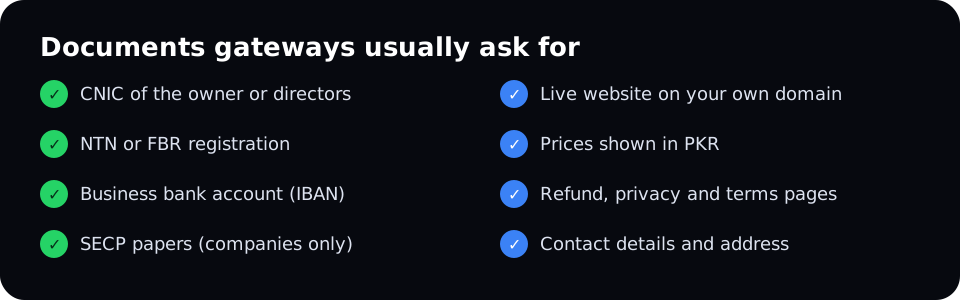
- Identity and registration: CNIC, NTN, and SECP documents if you are a company.
- A business bank account in the business’s name, for settlement.
- A live website on your own domain, with products, PKR prices, contact details, and refund, privacy and terms pages. Reviewers check these.
Providers can reject or delay an application if the website is unfinished, so we usually apply for the merchant account while the store is in its final stage, with all policy pages already live.
Chapter 06
Shopify Payment Gateway Options in Pakistan: How Stores Get Paid

Because Shopify Payments isn’t available here, a Pakistani Shopify store adds a third-party payment gateway from the Shopify App Store or Shopify’s payment settings, plus cash on delivery as a manual method. Shopify charges an extra transaction fee when you use a third-party gateway instead of Shopify Payments, on top of the gateway’s own MDR, so include it in your costs. Read more in is Shopify available in Pakistan.
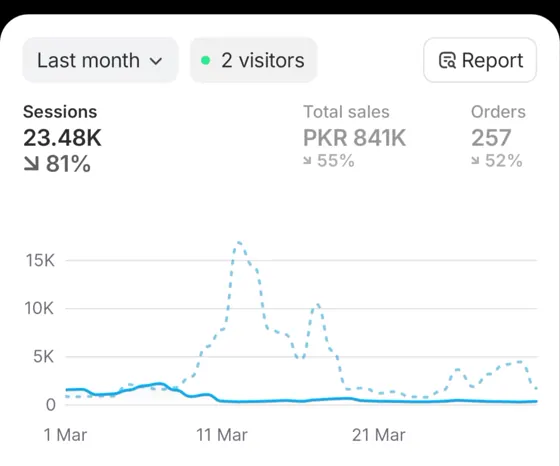
On the Shopify stores we build, we install the gateway’s app, test real payments and refunds, and make sure paid orders flow into the same fulfilment and courier process as COD orders.
Chapter 07
Payment Gateways on WooCommerce and WordPress

WooCommerce gives you more freedom. Most aggregators provide a WooCommerce plugin, and where a provider only offers an API (common with direct wallet accounts), the integration can be built as a custom plugin. If you go that route, make sure the developer verifies every payment on the server, using the provider’s callback and hash check, rather than trusting the customer’s browser redirect. That is how fake “paid” orders get through.
We build these integrations as part of our WordPress development services, and as standalone custom WordPress plugins when no ready-made plugin exists.
Chapter 08
International Payment Gateway in Pakistan: Selling Abroad

If your customers are outside Pakistan, check first whether your local gateway accepts international Visa and Mastercard cards. Several do, sometimes at a higher rate. That is the simplest option, because the money settles straight into your Pakistani bank account.
Other routes businesses use:
- Payoneer for invoices to overseas clients, then withdrawal to a Pakistani bank. This suits services and freelancers more than stores.
- A foreign company (for example in the UK or US) with its own bank account, which can then use Stripe or Shopify Payments. This brings legal, tax and accounting responsibilities in both countries, so speak to an accountant first.
If you sell to the UK, US or UAE, our hire a website developer page covers how we build stores for overseas markets.
Chapter 09
COD vs Online Payment: How to Get More Prepaid Orders
An online payment gateway in Pakistan doesn’t replace cash on delivery; it sits alongside it. In our experience most first-time buyers still choose COD. Prepaid orders are worth encouraging, though, because they almost never get refused at the door and the money arrives sooner. What works on the stores we run:
- A small prepaid discount or free delivery for card and wallet payments.
- Wallet buttons that are easy to spot on mobile, where most orders happen.
- Trust signals at checkout: clear refund policy, delivery times and a WhatsApp number.
- Order confirmation for COD by WhatsApp or call, so fake orders are caught before dispatch.
Track prepaid and COD separately in your reports. If you run ads, your Meta ads purchase events should fire for both, so the campaigns learn from every order.
Chapter 10
Why Online Payments Fail at Checkout (and How to Fix It)
Once a gateway is live, failed payments are the most common complaint we hear. Most failures aren’t caused by the payment gateway itself:
| Problem | What usually causes it | Fix |
|---|---|---|
| Card declined | The customer’s bank has online or e-commerce transactions switched off | Show a short note at checkout: “Enable online payments in your banking app” |
| OTP never arrives | SMS delays or an old mobile number registered with the bank | Let the customer retry, and offer a wallet or COD as a fallback |
| Wallet payment times out | The customer didn’t approve the request in their app in time | Tell them to keep the wallet app open and approve within the time limit |
| Paid but order shows unpaid | The store missed the gateway’s callback | Server-side verification and a daily match of gateway reports against orders |
| Double charge | The customer pressed “Pay” twice | Disable the button after the first click; refund duplicates the same day |
Look at your payment gateway dashboard every week for declined and abandoned payments. If one method fails far more often than the others, test it yourself on a phone. A broken wallet button can cost a store sales for weeks before anyone notices, because customers simply switch to COD or leave.
Keep a short “payment help” answer ready for your WhatsApp support team as well. A customer who gets a quick reply explaining how to enable online payments usually completes the order instead of abandoning it.
Chapter 11
How to Choose a Payment Gateway: 5 Steps
- List how your customers pay today: COD, bank transfer, JazzCash, Easypaisa or cards. Start with the methods they already use.
- Check platform support: confirm the provider has a working Shopify app or WooCommerce plugin for your store.
- Get two or three rate cards and compare MDR, setup fees, settlement time and refund handling.
- Prepare your documents and website before applying, so approval isn’t delayed.
- Test the payment gateway before launch: place real orders with a card and each wallet, then refund one, and check the money and order status match.
Chapter 12
How We Set Up Payments for Your Store, Start to Finish
We don’t sell or resell any gateway, so we recommend whichever suits your business. On a typical ecommerce website development project we help you pick providers, prepare the website pages they check, integrate the gateway and COD, and test every payment method before launch. You can see what a store costs on our website development price page, or browse Shopify stores in Pakistan for examples.
FAQ
FAQ
Which is the best payment gateway in Pakistan?
For most online stores, a local aggregator such as PayFast or Safepay, because it covers cards and wallets through one account and works with Shopify and WooCommerce. The best choice depends on how your customers pay, your platform and which provider approves your business.
Is Stripe available in Pakistan?
No. Pakistan is not on Stripe’s list of supported countries, so a Pakistan-based business cannot open a Stripe account. Some businesses use Stripe through a company registered abroad, which brings its own legal and tax requirements.
Can I add JazzCash and Easypaisa to my website?
Yes. Either apply for a merchant account directly with JazzCash or Easypaisa and integrate their API, or use an aggregator that already includes both wallets in its checkout.
How much does a payment gateway cost in Pakistan?
The main cost is the merchant discount rate on each payment, generally around 2–3% for local cards and wallets, plus tax. Some providers also charge setup or monthly fees. Always get a written rate card.
How long does gateway approval take?
From a few working days to several weeks, depending on the provider and how complete your documents and website are. Bank gateways usually take longer than aggregators.
Do I still need cash on delivery?
Yes. Most Pakistani shoppers still choose COD, especially for a first order. Offer both, and encourage prepaid orders with a small discount or free delivery.