Short answer: in the WooCommerce vs Shopify choice, pick Shopify if you want a store that’s quick to launch, hosted and maintained for you, and you’re happy paying a monthly fee in US dollars. Pick WooCommerce if you want no platform fee, full control over the code and your data, a store that sits inside a bigger WordPress website, or features Shopify can’t do without paid apps. Both handle cash on delivery, Pakistani payment gateways and couriers well.
We build both on our ecommerce website development projects, so we don’t have a favourite to sell you. This guide compares Shopify vs WooCommerce the way a Pakistani store owner actually experiences them: what you pay every month, how COD and couriers work, how much you can change, and what happens if you want to leave.
Chapter 01
WooCommerce vs Shopify at a Glance
Both platforms run thousands of Pakistani stores. The difference is in who looks after what.
| Shopify | WooCommerce | |
|---|---|---|
| What it is | A hosted online store platform: you rent the software | A free plugin that turns a WordPress website into a store |
| Hosting | Included | You buy your own hosting |
| Monthly platform fee | Yes, billed in US dollars | None (the plugin is free) |
| Cash on delivery | Built in (manual payment method) | Built in |
| Pakistani gateways | Through apps (PayFast, Safepay and others) | Through plugins or custom integration |
| Updates and security | Done by Shopify | Your job (or your developer’s) |
| Customisation | Themes, apps and Liquid code, within Shopify’s limits | Anything PHP and WordPress can do |
| Who owns the store | You own your data; Shopify runs the platform | You own everything, including the code and server |
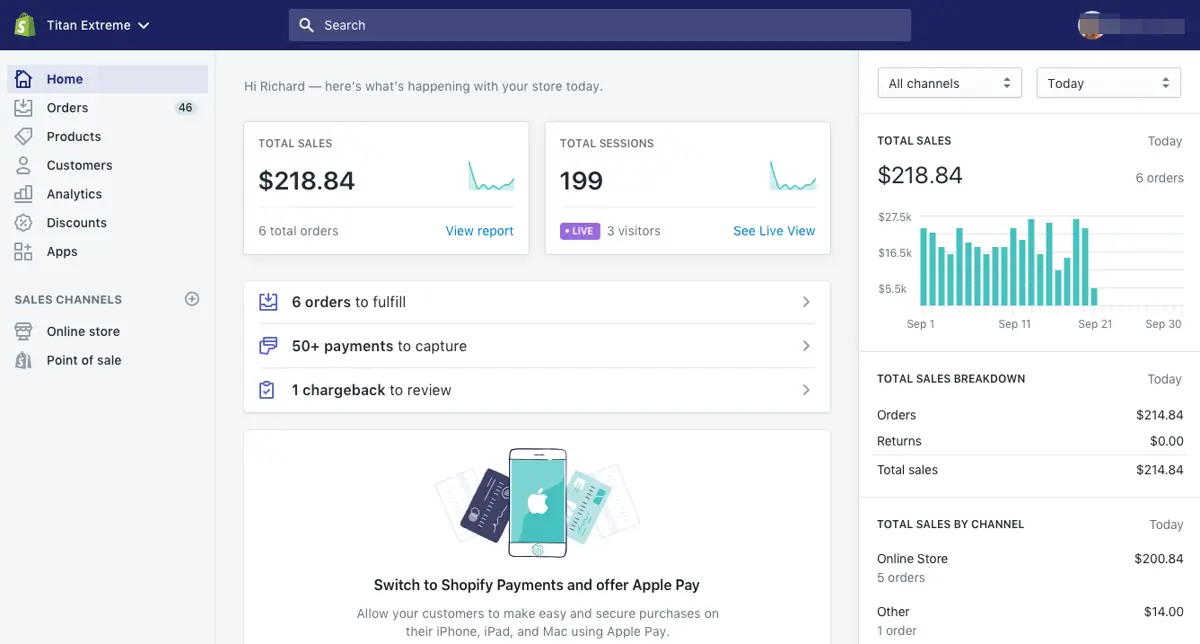
In short, Shopify trades control for convenience, and WooCommerce trades convenience for control. That’s the whole Shopify vs WooCommerce debate in one line. The rest of this guide is about which of those matters more for your store.
Chapter 02
What Each One Really Costs in Pakistan
Price is usually the first question in any Shopify vs WooCommerce comparison, and the honest WooCommerce vs Shopify pricing answer is that they cost money in different places.
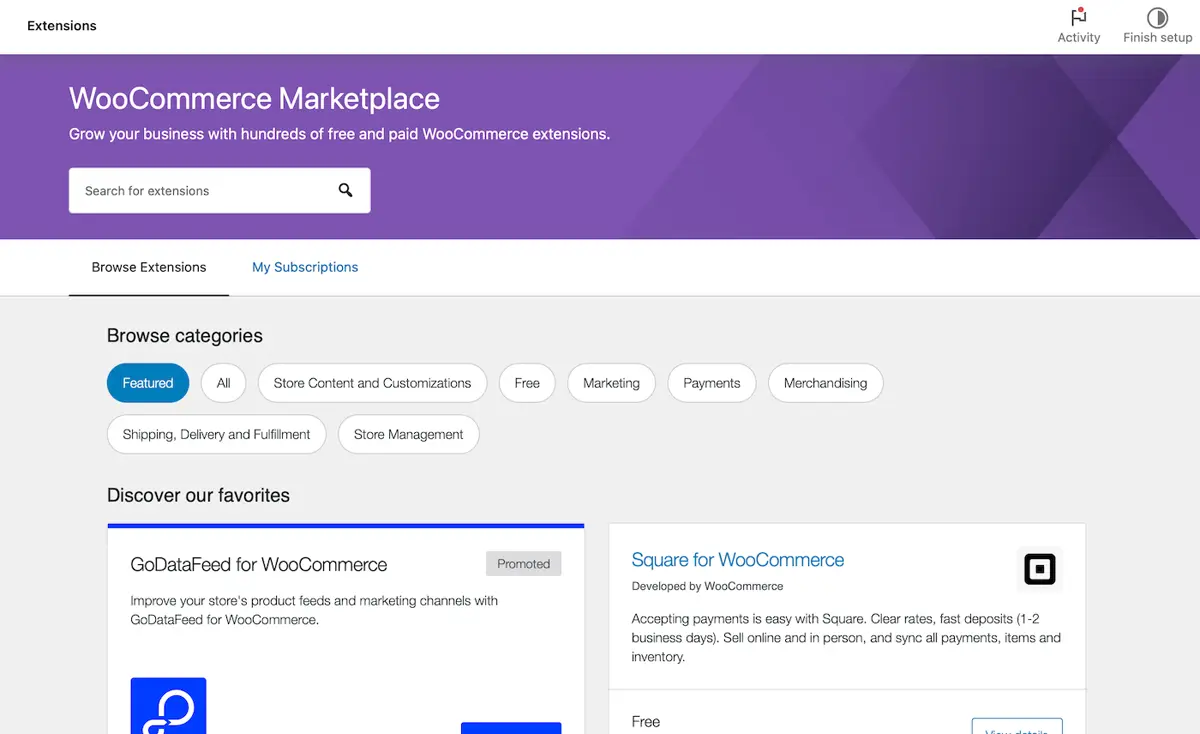
Shopify charges a monthly plan. On Shopify’s Pakistan pricing page, Basic is US$22 a month, Grow is US$58 and Advanced is US$359 (billed yearly). It’s charged in dollars to a card that allows international payments. Add any paid apps (most are billed monthly in dollars) and possibly a paid theme.
WooCommerce itself is free to download from WordPress.org. Your WooCommerce pricing comes from:
- Hosting, paid yearly. Pakistani hosts bill in rupees; good hosting matters more for WooCommerce than for any other part of the store.
- A domain, paid yearly (you pay this on Shopify too).
- Paid extensions, if you need them, usually billed yearly. Many stores need only one or two.
- A premium theme, if you don’t use a free one or a custom design.
So WooCommerce pricing is flexible: a simple store can run on hosting and free plugins, while a large one may pay for several extensions.
| Cost | Shopify | WooCommerce |
|---|---|---|
| Platform | US$22–359 a month | Free |
| Hosting | Included | Yearly hosting plan |
| Domain | Yearly | Yearly |
| Apps / extensions | Often monthly, in US$ | Often yearly; many free plugins |
| Card payment transaction fee | Gateway fee, plus Shopify’s third-party transaction fee | Gateway fee only |
| Maintenance | Included in the plan | Updates and backups (yourself or a maintenance plan) |
Shopify vs WooCommerce cost over three years usually comes out closer than people expect: Shopify’s monthly fee against WooCommerce’s hosting and maintenance. The bigger difference is what kind of cost it is. Shopify is a fixed dollar bill every month; WooCommerce is mostly rupee costs paid once a year.
Pro tip: if your card can’t be charged in dollars every month, that alone can decide the question. Shopify freezes a store when its bill isn’t paid.
Chapter 03
Payments and Cash on Delivery
Payments are where WooCommerce vs Shopify matters most for a Pakistani store. Most Pakistani online orders are still cash on delivery, and both platforms handle COD without any extra app. On Shopify it’s a manual payment method you switch on in settings; on WooCommerce it’s a built-in payment option.
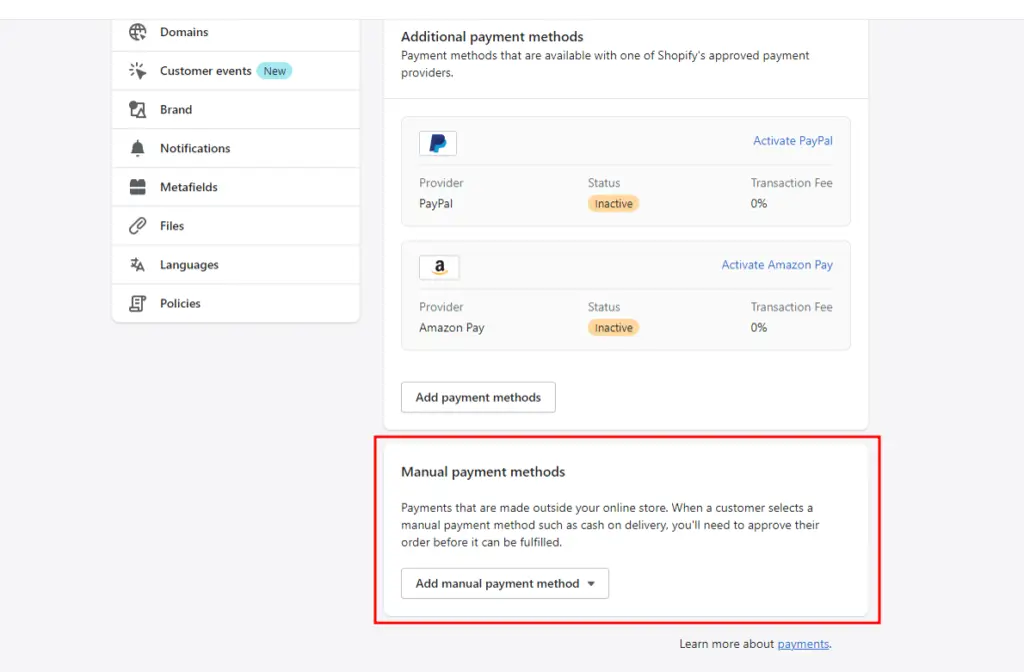
Card and wallet payments are where they differ:
- Shopify Payments isn’t available in Pakistan, so cards and wallets go through a third-party gateway app such as PayFast or Safepay. Shopify then adds its own third-party transaction fee on those payments, on top of the gateway’s fee. The rate depends on your plan. COD orders don’t pay it.
- On WooCommerce, you install the gateway’s plugin, or a developer connects its API. There’s no platform fee on top, only what the gateway charges.
If most of your sales will be paid online rather than COD, that transaction fee is a real cost on Shopify. Our payment gateway in Pakistan guide compares the gateways for both platforms.
Chapter 04
Couriers and Order Handling
Couriers such as TCS, Leopards, M&P, PostEx and Trax have Shopify apps for booking parcels and printing labels, and WooCommerce has plugins for most of them. On both platforms you can book in bulk, print airway bills and send tracking links.
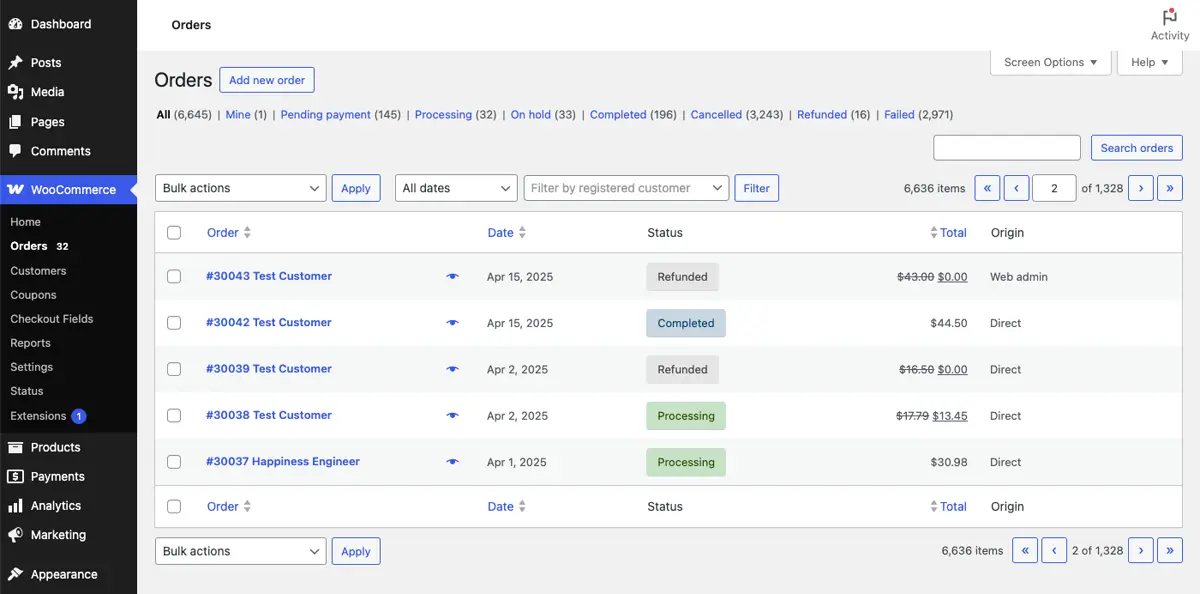
Shopify has more ready-made apps for Pakistani couriers, so a new store can be shipping within a day. WooCommerce sometimes needs a plugin from a third party or a small custom integration, but it can be shaped exactly around how you work, for example booking with different couriers by city. Our guide to the best courier service in Pakistan covers how to choose and connect one.
Chapter 05
Design, Themes and How Far You Can Customise
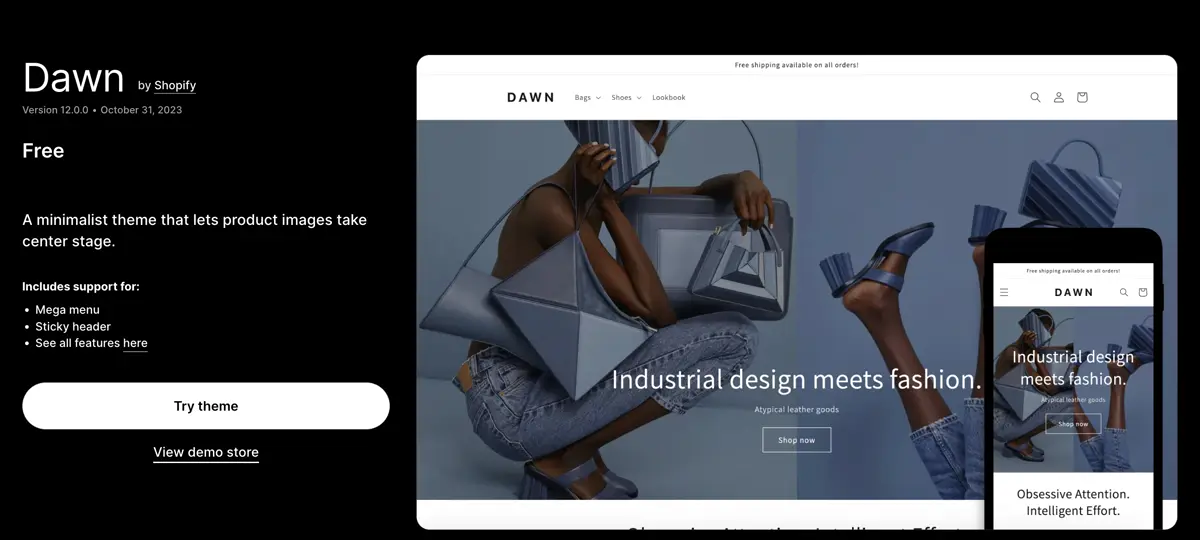
Shopify themes are polished and mobile-first, and the free ones (Dawn and others in the free themes in the Shopify Theme Store) are a good start. You change the design with the theme editor, and a developer can go further with Shopify’s Liquid code. What you can’t change is how Shopify itself works: checkout, URL structure and the admin are fixed.
WooCommerce runs on WordPress, so you can change anything: the checkout steps, the product page layout, custom fields, B2B pricing, Urdu pages, booking or subscription features. That freedom is why we use WooCommerce for stores with unusual requirements. It also means a badly built WooCommerce store can be slow or fragile, so who builds it matters more.
Chapter 06
Speed, Hosting and Maintenance
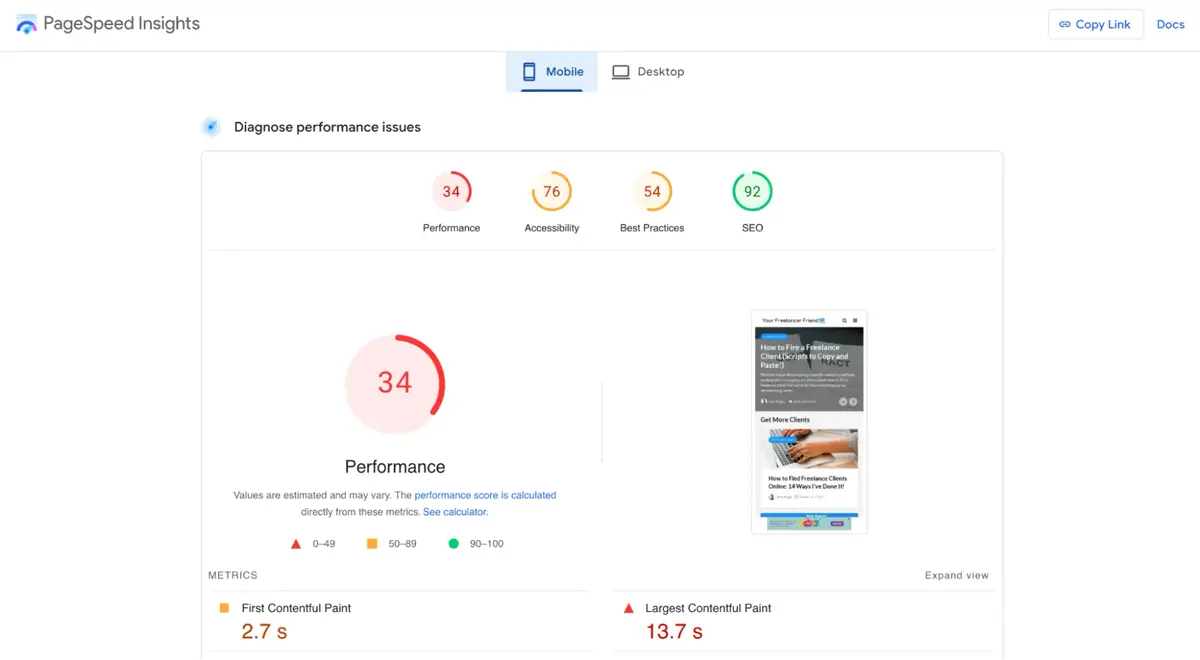
Speed is another Shopify vs WooCommerce difference that depends on who builds the store. A Shopify store is hosted on Shopify’s servers and global network, so it’s fast by default as long as you don’t overload it with apps. Shopify also handles security and updates.
A WooCommerce store is only as fast as its hosting and its build. On good hosting, with caching, compressed images and a light theme, WooCommerce stores load just as quickly. On cheap shared hosting with twenty plugins, they don’t.
WooCommerce also needs regular updates for WordPress, WooCommerce, the theme and plugins, plus backups. You can do it yourself in 20 minutes a month, or pay for a maintenance plan. Skipping updates is how small WordPress stores get hacked.
Chapter 07
SEO and Content
On SEO, Shopify vs WordPress is closer than people think: both platforms can rank well on Google. Shopify gives you clean product pages, automatic sitemaps and editable titles and descriptions. Its limits are fixed URL prefixes (such as /products/ and /collections/) and a basic blog.
WordPress is built for content. If your plan includes a blog, buying guides or lots of landing pages, WooCommerce on WordPress gives you more control, with plugins such as Rank Math or Yoast for every SEO setting. For a store that will mainly sell through Meta Ads and Instagram, the difference matters less.
Chapter 08
Who Owns the Store If You Want to Leave
On Shopify, you own your products, customers and orders and can export them as CSV files, but the theme, apps and checkout belong to Shopify. If you move, you rebuild the design on the new platform.
On WooCommerce, and this is its strongest point in any WooCommerce vs Shopify comparison, you own everything: the database, the code, the design and the server. You can move hosts, change developers or hand the site to an in-house team without asking anyone. For businesses that think long term, that ownership is often the deciding reason.
Chapter 09
Shopify vs WordPress for a Business That Isn’t Only a Store
Many people searching for Shopify vs WordPress actually have a different question: “I need a company website and a small shop.” In that case WordPress with WooCommerce is usually the better fit, because the shop sits inside a full website with service pages, a blog, forms and a portfolio.
If the shop is the business, for example a clothing or cosmetics brand selling through social media, Shopify is built for exactly that. When the Shopify vs WordPress question comes up, ask yourself which part of the site will make most of your money.
Still deciding between a platform and doing it yourself? Our website builder in Pakistan guide compares Wix, Shopify and WordPress for smaller budgets.
Chapter 10
What We Recommend for Common Pakistani Stores
The WooCommerce vs Shopify answer changes with the kind of business. These are the recommendations we give most often, and why:
| Store type | Usually | Why |
|---|---|---|
| Clothing, shoes or cosmetics brand selling through Instagram and Meta Ads | Shopify | Fast launch, strong themes, ready courier and marketing apps; mostly COD, so no transaction fee on most orders |
| Company website with a small product catalogue | WooCommerce | The shop sits inside a full WordPress website with service pages and a blog |
| B2B or wholesale with customer-specific prices | WooCommerce | Custom pricing rules and order forms without paying for several apps |
| Store with mostly card and wallet payments | WooCommerce | No Shopify third-party transaction fee on every online payment |
| Owner with no technical help at all | Shopify | No hosting, updates or backups to manage |
| Marketplace with many sellers | WooCommerce | Marketplace plugins with full control over commissions and payouts |
Use the table as a starting point, not a rule. A Shopify vs WooCommerce decision should also consider who will run the store day to day and what you can pay each month. If you compare WooCommerce vs Shopify pricing for your own store, include three years of costs: plan or hosting, apps or extensions, gateway and transaction fees, and maintenance. Then compare what each one lets you do that the other can’t.
One more point people miss: switching later is possible but costs time. Products, customers and orders can be exported, but the design, apps and URLs have to be rebuilt and redirected. It’s cheaper to spend an hour choosing well now. In the Shopify vs WordPress debate, the right platform is simply the one that matches how your business makes money.
Chapter 11
WooCommerce vs Shopify: Which Should You Choose?
| Choose Shopify if… | Choose WooCommerce if… |
|---|---|
| You want to launch fast and not think about hosting | You don’t want a monthly dollar bill |
| You sell mainly through Instagram, Facebook and TikTok | You need a full website with a blog and service pages |
| You have a card that can pay in US dollars every month | Most of your sales will be online payments, not COD |
| You have no one to handle updates | You need custom features (B2B prices, bookings, Urdu, unusual checkout) |
| You want ready-made courier and marketing apps | You want to own the code and move hosts freely |
If you’re still split on WooCommerce vs Shopify, think about the next three years, not the launch. A brand that plans to grow mainly on social media will be happy on Shopify. A business that wants its website to be a long-term asset, with content, SEO and custom features, will usually get more from WooCommerce. If your plan is to start on Shopify and see, our guide on how to create a Shopify store walks through the setup.
Chapter 12
How We Help You Choose (We Build Both)
Website Services Pakistan (WSP) has built 450+ websites since 2014 from Tariq Road, Karachi, including Shopify and WooCommerce stores for Pakistani and international brands. Before we quote, we ask how you sell, how you’re paid and who will run the store, then recommend one platform and explain why.
A Shopify or WooCommerce store with us costs PKR 40,000–140,000, depending on your requirements, with COD, a payment gateway and courier set up and tested. There’s no advance payment: you pay once the store is finished. See our Shopify development services and WordPress development services.
FAQ
FAQ
Is WooCommerce or Shopify better for Pakistan?
Both work well in Pakistan. Shopify is easier and hosted for you but charges a monthly fee in US dollars. WooCommerce has no platform fee and gives you full control, but you need hosting and regular updates. Choose based on budget, how you sell and who will maintain the store.
Is WooCommerce cheaper than Shopify?
WooCommerce has no platform fee, so it’s usually cheaper month to month, but you pay for hosting, any paid extensions and maintenance. Over three years the totals are often close; the bigger difference is that Shopify is a monthly dollar bill and WooCommerce costs are mostly yearly and in rupees.
Do both support cash on delivery?
Yes. COD is built into both Shopify (as a manual payment method) and WooCommerce, with no extra app needed.
Does Shopify charge transaction fees in Pakistan?
Shopify Payments isn’t available in Pakistan, so card payments go through a third-party gateway and Shopify adds a third-party transaction fee that depends on your plan. COD orders don’t pay that fee.
Shopify vs WordPress: which is better for a business website with a shop?
If you need a full company website with service pages and a blog plus a shop, WordPress with WooCommerce is usually better. If the online store is the whole business, Shopify is built for that.
Can I move from Shopify to WooCommerce later?
Yes. Products, customers and orders can be exported and imported, but the design and apps have to be rebuilt, so plan the move with a developer.