
Short answer: to hire a web developer from Pakistan, decide first whether you need a freelancer or an agency. Then shortlist three or four candidates from Upwork, Clutch, GoodFirms or referrals, and check live websites they built. Agree a written scope with milestones, pay through escrow or per milestone, and make sure the domain, hosting and code are in your name from day one.
We’re a web agency in Karachi, and most of our overseas work comes from businesses in the UK, Canada, the US, the UAE and Australia. If you’d rather talk to a team directly, our hire a website developer page explains how we work with clients abroad. This guide is the neutral version: how to hire a web developer from Pakistan well, whoever you choose.
Chapter 01
Why Businesses Hire a Web Developer from Pakistan
Pakistan has a large, English-speaking tech workforce and a long history of serving overseas clients on freelance platforms. For businesses abroad, three things make it work:
- Cost: the same WordPress, Shopify or custom build usually costs much less than with a local agency in London, New York or Dubai.
- Time zones: Pakistan is one hour ahead of the UAE and four or five hours ahead of the UK, so working hours overlap for most of the day.
- Skills: WordPress, WooCommerce, Shopify, Laravel and React are the everyday tools here, not niche specialities.
The risk is the same as hiring anywhere remotely: you can’t walk into an office and check. The rest of this guide is about reducing that risk, step by step, from choosing the type of help you need to the day you get every login handed over. If you only have ten minutes, read the vetting checklist and the red flags; they prevent most of the problems we see.
Chapter 02
Freelancer, Agency or Dedicated Developer?
Before you search, decide what kind of help you need. It changes where you look and what you pay.
| Freelancer | Agency | Dedicated developer | |
|---|---|---|---|
| Best for | Small sites, fixes, one-off tasks | Full websites and stores, design + build + launch | Ongoing work, several months or more |
| Who does the work | One person | A team: designer, developer, QA, project manager | One developer working only for you |
| If they get sick or leave | Work stops | Someone else picks it up | Depends on the contract |
| Design included | Sometimes | Usually | Rarely |
| Management needed from you | High | Low | High |
A simple rule: if the job has one skill (fix a bug, add a page, speed up WordPress), a good freelancer is fine. If it needs design, development, content and testing together, an agency saves you managing four people.
Chapter 03
Where to Find a Web Developer in Pakistan
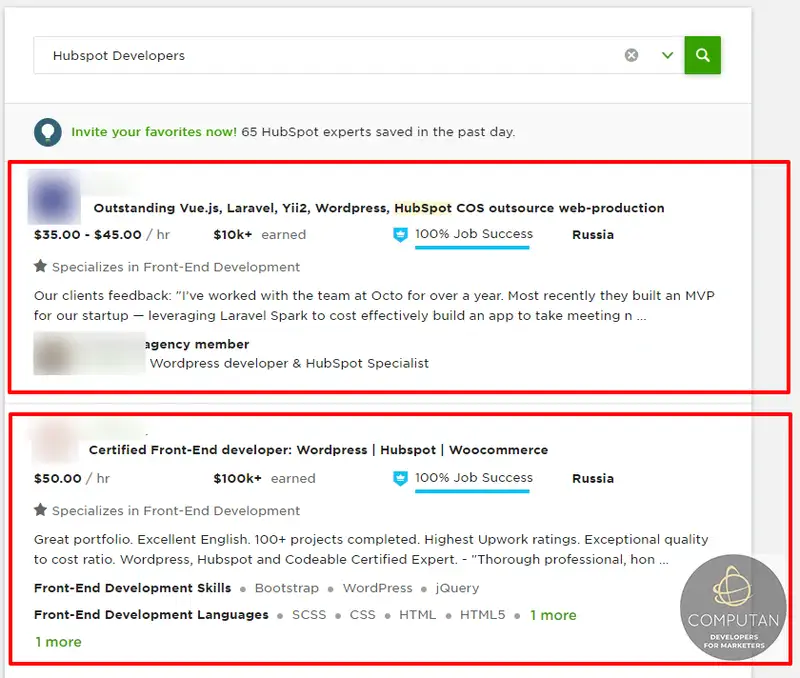
Freelance platforms. Upwork and Fiverr list thousands of Pakistani developers. On Upwork you can filter by skill, location and budget, then compare rates, job success scores and past reviews side by side.
Agency directories. Clutch and GoodFirms list agencies by country and city, with verified client reviews, typical budgets and hourly rates. Filter by “Pakistan” or “Karachi” and read the reviews, not just the stars.

Referrals and LinkedIn. Ask other business owners who built their site. A developer who already delivered for someone you trust is the safest start. On LinkedIn, look for a real work history and recommendations from clients, not just endorsements.
Chapter 04
How to Vet Developers Before You Hire a Web Developer
Shortlist three or four, then check each one properly. This takes an afternoon and saves months.
- Open their live websites. Not screenshots: real sites you can click through. Check them on your phone.
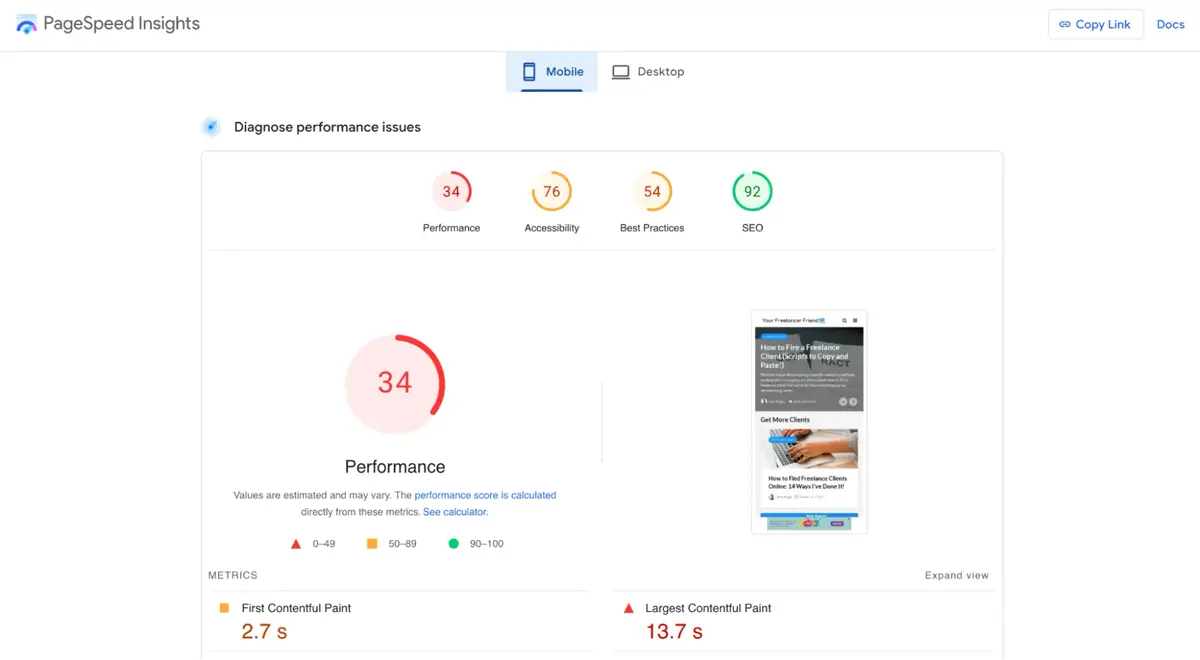
- Test the speed. Run two or three of their sites through Google PageSpeed Insights. Slow sites in a portfolio usually mean slow sites for you.
- Read reviews where they can’t delete them: Upwork history, Clutch, GoodFirms, Google.
- Talk on a video call. You’ll know in ten minutes whether communication will be easy.
- Ask how they’d build your project, in their own words. Good developers ask questions before they quote.
- For bigger projects, pay for a small test task (a page, a fix) before committing to the full build.
Chapter 05
What It Costs to Hire a Web Developer from Pakistan
There’s no single rate. What you pay depends on who you hire and how they charge:
| Pricing model | How it works | Best for |
|---|---|---|
| Fixed price | One price for an agreed scope, paid in milestones | Websites and stores with a clear brief |
| Hourly | You pay for hours logged, often tracked on a platform | Fixes, small changes, unclear tasks |
| Monthly retainer | A set number of hours or a dedicated developer each month | Ongoing development and maintenance |
What drives the price up: custom design instead of a template, the number of pages and products, integrations (payment gateways, booking systems, CRMs), multiple languages, and tight deadlines. What keeps it down: a clear brief, content ready before work starts, and fewer rounds of changes.
Ask every candidate for a written, itemised quote for the same brief. If one quote is far cheaper than the rest, find out what it leaves out. For our own prices, see the website development price page; overseas clients get a fixed quote after a free call.
Chapter 06
Write a Clear Scope, Then Agree a Contract
Most failed projects fail at the brief, not at the code. Write down, in one or two pages:
- What the website is for and who it’s for.
- The pages or features you need, and two or three sites you like.
- Who supplies the content and photos.
- Your budget range and deadline.
Then turn it into a short contract: what’s included, how many rounds of revisions, the payment milestones, who owns the work, and what happens if either side wants to stop. It doesn’t need a lawyer for a small site, but it needs to be in writing.

Pro tip: put ownership in the contract. The domain, hosting account, code and design files should be in your name, and you should have admin logins from the first week, not “after final payment”.
Chapter 07
Paying a Developer in Pakistan Safely
Never pay the full amount upfront. Tie payments to milestones you can see and test. How you send the money depends on where you found the developer:
| Method | How it works | Good for |
|---|---|---|
| Platform escrow (Upwork, Fiverr) | You fund a milestone; it’s released when you approve the work | Freelancers you found on the platform |
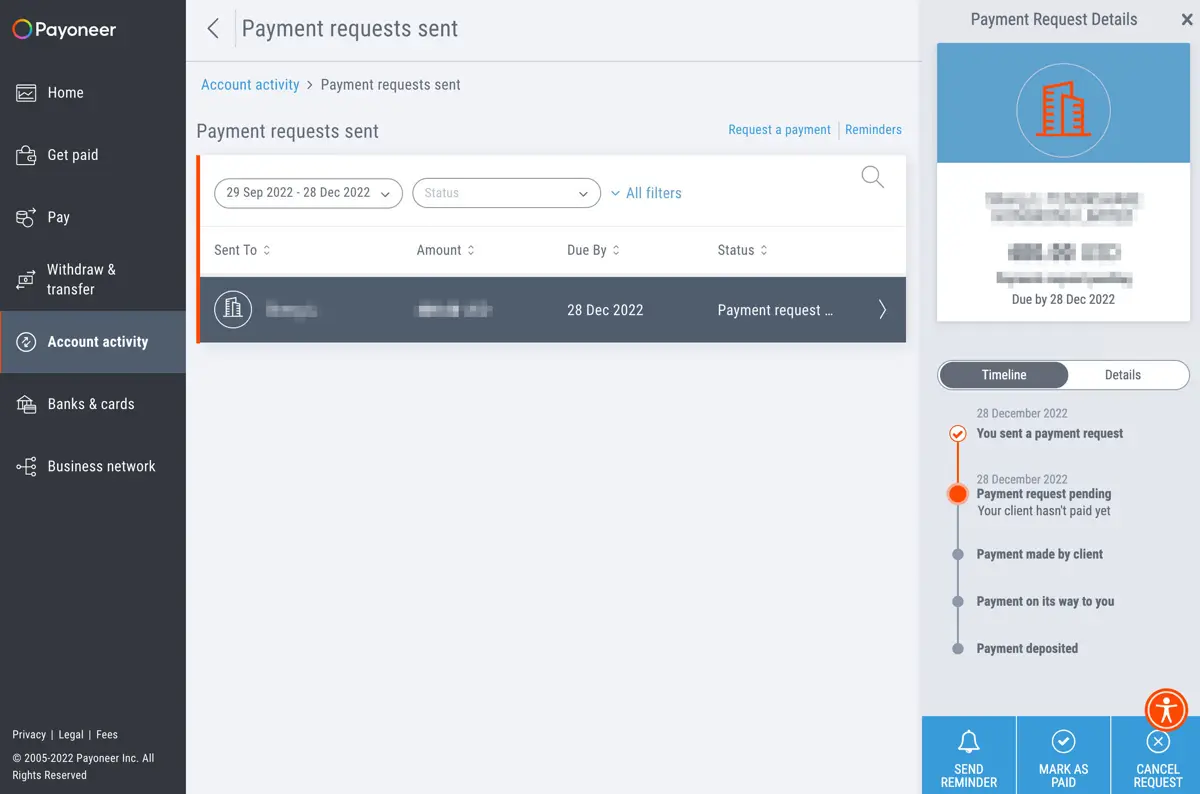
| Payoneer | The developer sends a payment request; you pay by card or bank transfer | Freelancers and agencies invoicing in USD, GBP or EUR |
| Wise or bank transfer | You send money to their Pakistani bank account, often in PKR | Agencies and long-term developers |
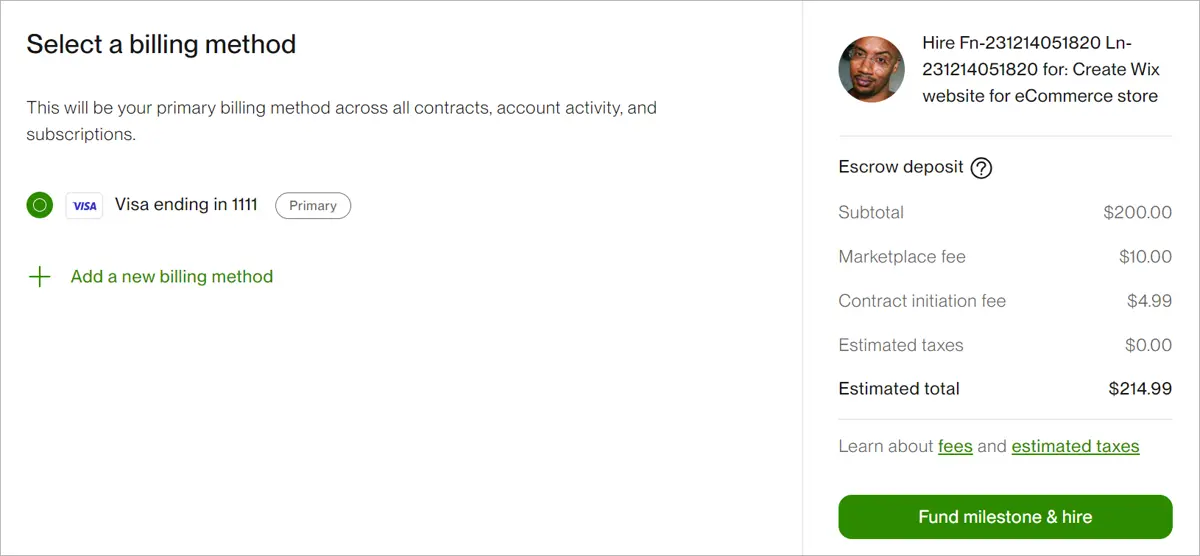
Platform fees are added on top of the developer’s price, as the screenshot shows, so compare total cost, not just the quote. Also note that Stripe and PayPal don’t accept Pakistan-based businesses, which is why developers here usually invoice through Payoneer or a bank (see our payment gateway in Pakistan guide for the full picture).
Chapter 08
Time Zones and Communication That Actually Work
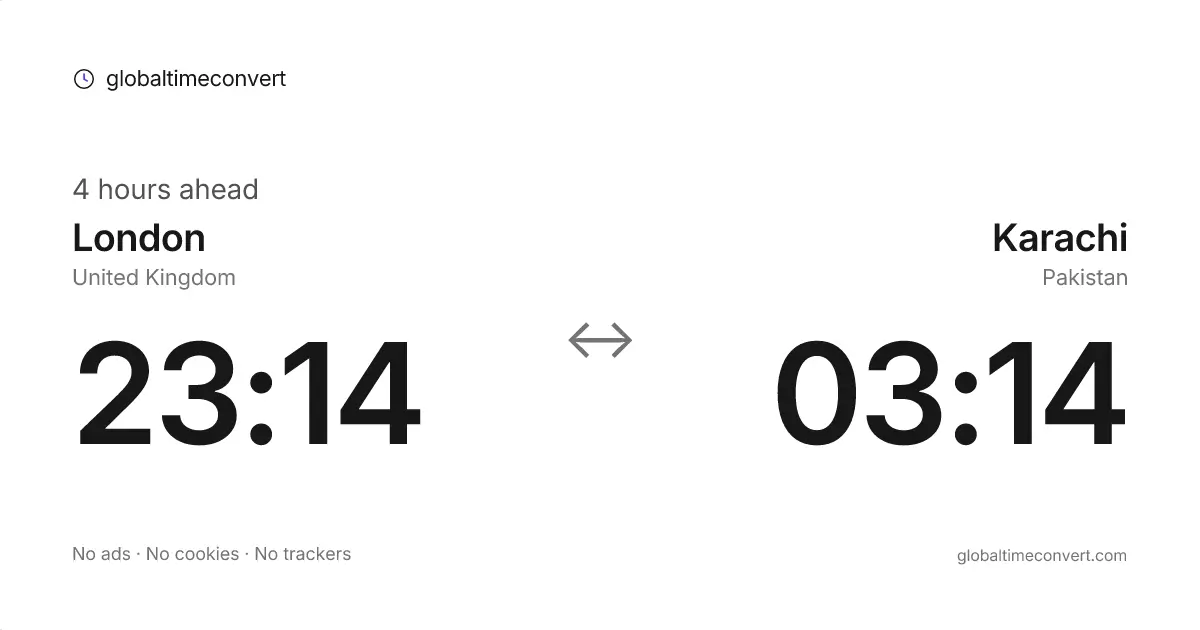
Pakistan Standard Time is UTC+5 all year, with no daylight saving. That gives you:
| Your location | Time difference | Overlap with a 10am–7pm team in Karachi |
|---|---|---|
| UAE (Dubai) | Pakistan is 1 hour ahead | Almost the whole working day |
| UK (London) | 4 hours ahead in summer, 5 in winter | Your morning to mid-afternoon |
| US East (New York) | 9 hours ahead in summer, 10 in winter | Early morning your time; plan for overnight delivery |
| Australia (Sydney) | Pakistan is 5–6 hours behind | Your afternoon and evening |
What makes remote work smooth:
- One channel for messages (WhatsApp, Slack or email), not five.
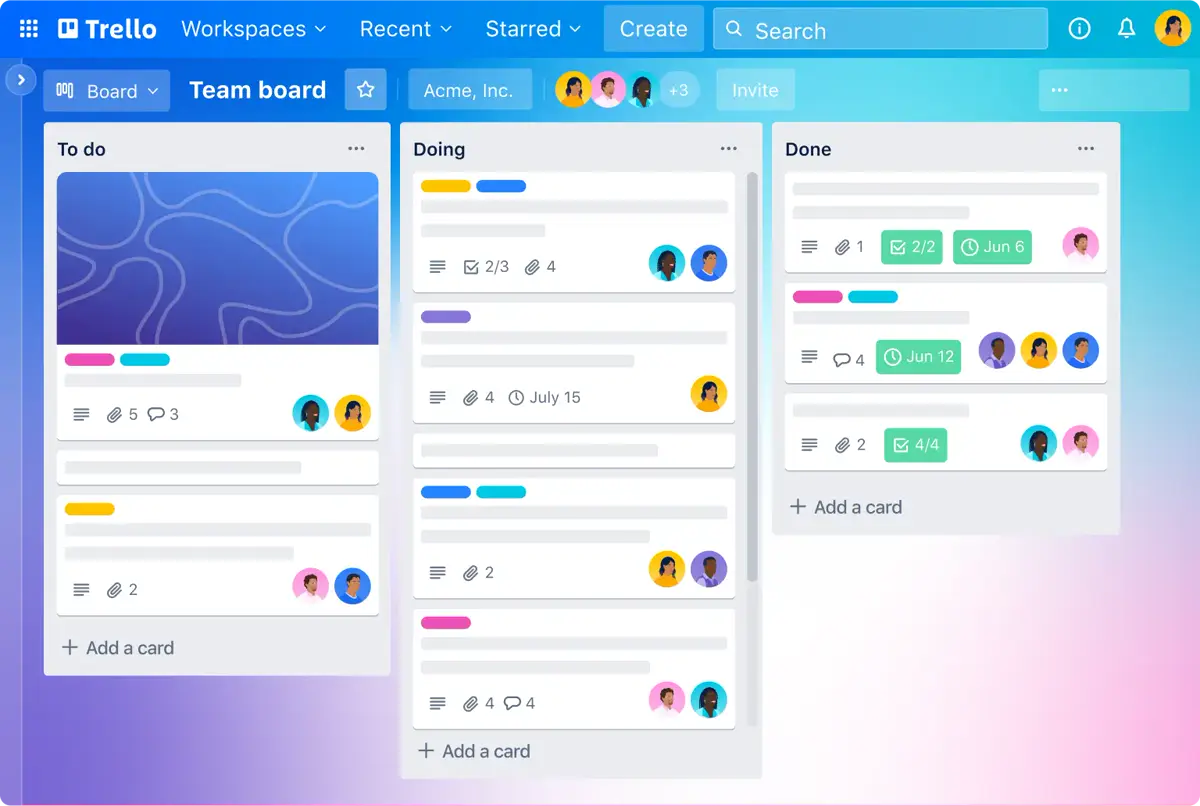
- A shared task board so you can see what’s done, in progress and waiting for you.
- A weekly call at a fixed time inside the overlap.
- A staging site where you review work before it goes live.
Chapter 09
Protect Your Code, Domain and Data
This is where people get burned. A developer who controls your domain or hosting controls your business online. Before work starts:
- Register the domain yourself, with your email, and give the developer access, not ownership.
- Open the hosting account in your name and add the developer as a user.
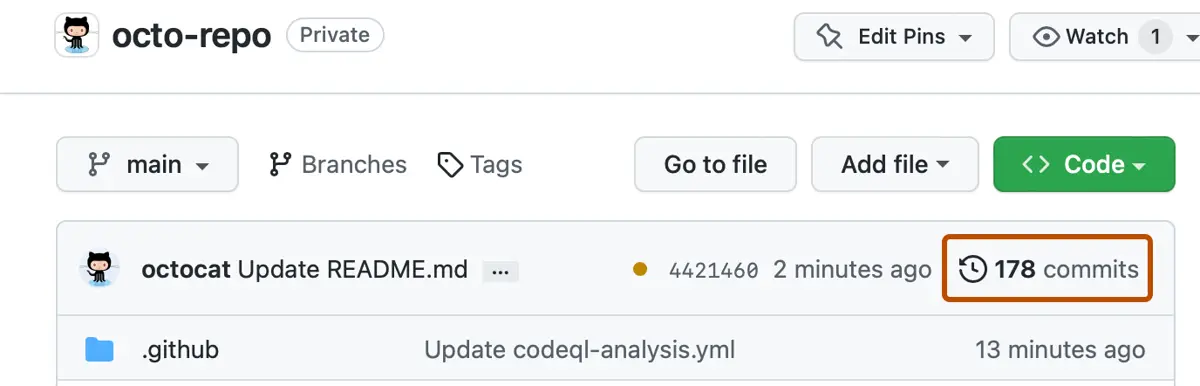
- For custom code, ask for a private Git repository under your account, so every change is saved and visible.
- Keep your own copy of logins in a password manager. Change them when the project ends.
Chapter 10
A Realistic Hiring Timeline
Rushing the hiring stage is the most expensive shortcut. A sensible plan for a typical business website:
- Week 1: write the brief, search platforms and directories, shortlist three or four developers.
- Week 2: video calls, portfolio and speed checks, written quotes. Pick one and sign a simple contract.
- Weeks 3–4: design. Approve the homepage and one inner page before anything is built.
- Weeks 4–6: development on a staging site, with a weekly review call.
- Launch week: test forms, payments and mobile pages, then go live and hand over every login.
Six weeks from first search to launch is normal for a business website. If someone offers to do all of it in a few days, ask what they’re leaving out, because it’s usually design, testing or both. An online store or custom feature adds time, especially for payment gateway approval. Agree the dates in the contract, and agree what happens if either side causes a delay.
Chapter 11
Red Flags When You Hire a Web Developer
- Asks for 100% payment upfront.
- Can’t show live websites, only screenshots or templates.
- Quotes a price without asking a single question.
- Wants to register your domain or hosting in their own name.
- Uses “nulled” (pirated) premium themes or plugins to save cost. These often carry malware.
- Goes silent for days in the first week. It won’t get better later.
- Promises page one of Google by a date. Nobody can promise that.
Chapter 12
How We Work with Clients Outside Pakistan
We’ve built websites from our Karachi office for clients in 12+ countries, including a restaurant in Canada with online ordering, a Shopify home décor brand in Calgary, a furniture retailer in the UK, a blinds company in Dubai and an accountant in Melbourne. You can see them in our portfolio.
The way we work is built around the risks above: a written scope and fixed quote, a staging site you review, the domain and hosting in your name, and no advance payment. You pay once the website is finished and you’re happy with it. If you’re still choosing a platform, our guides to the website builder options and how to create a Shopify store are a good start.
FAQ
FAQ
How do I hire a web developer from Pakistan?
Decide whether you need a freelancer or an agency, shortlist candidates on Upwork, Clutch, GoodFirms or by referral, check their live websites and reviews, agree a written scope with milestones, and pay per milestone. Keep the domain, hosting and code in your own name.
Is it safe to hire a web developer from Pakistan?
Yes, if you follow the same checks you would anywhere: verified reviews, live portfolio sites, a written contract, milestone payments and ownership of your accounts from the start.
How do I pay a developer in Pakistan?
Through platform escrow if you hired on Upwork or Fiverr, by Payoneer payment request, or by Wise or bank transfer to a Pakistani bank account. Stripe and PayPal don’t accept Pakistan-based businesses.
What is the time difference with Pakistan?
Pakistan is UTC+5 all year. It is 1 hour ahead of the UAE, 4 hours ahead of the UK in summer and 5 in winter, and 9 to 10 hours ahead of US Eastern time.
Should I hire a freelancer or an agency?
A freelancer suits small, single-skill jobs. An agency suits a full website or store that needs design, development, content and testing, because a team covers all of it and there’s no single point of failure.
Do I need to pay upfront?
You shouldn’t pay the full amount upfront. Pay per milestone or through escrow. Website Services Pakistan takes no advance payment: clients pay once the website is finished.